
 Cats
 Birds
 Fish & Aquatics
 Reptiles
 Small Pets
 Horses
 Article
 Dogs
Dog Christmas Safety: The Hidden Hazards Living in Your Decorations
From tinsel to tree water, the Christmas season fills your home with weeks of low-grade hazards most dog owners never think to childproof against.
Published October 10, 2026
Christmas is different from every other holiday on this list for one simple reason: it's not one night, it's four to six weeks of a dramatically changed house. A tree, string lights, wrapped presents, and a rotating cast of houseguests all move in and stay for over a month — which means Christmas hazards aren't about a single risky evening, they're about an entire altered environment your dog lives in for the better part of winter. Most of it is manageable with a few specific precautions, so here's what's actually worth doing something about.
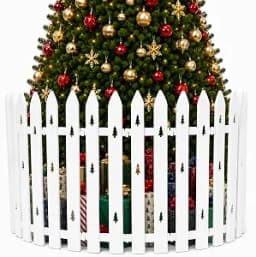
16 Inch Christmas Tree Fence, 24 Pack White Plastic Gate
A physical barrier around the tree base stops both water-drinking and tip-overs in one move, and looks intentional rather than improvised.
- ✓ Snap-together, no-tool setup
- ✓ Doubles as festive decor around the tree base
- ✓ Keeps dogs from drinking tree water or chewing low branches
- ✕ 16-inch height only deters small-to-medium dogs, not large jumpers
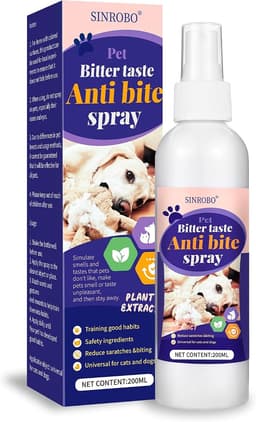
Bitter Apple Spray for Dogs, No Chew Spray to Stop Chewing, Furniture Protection
A quick spray on low branches, cords, and ribbon gives a chewer an unpleasant taste before they commit to a bite.
- ✓ Natural, alcohol-free bitter formula
- ✓ Works on cords, tree trunks, and ornaments alike
- ✓ Indoor and outdoor safe use
- ✕ Needs reapplication every few days, especially after watering the tree
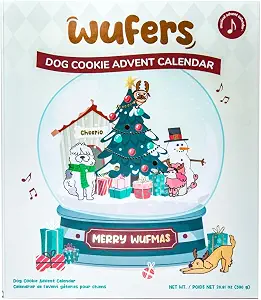
Wufers Singing Snow Globe Dog Advent Calendar, 24 Gourmet Holiday Dog Cookies
A daily treat ritual gives a tree-fixated dog something of their own to look forward to instead of the ornaments.
- ✓ Human-grade ingredients, baked in North America
- ✓ A built-in daily routine that keeps a dog away from tree temptation
- ✓ Fun gift-worthy packaging
- ✕ Premium price for what is ultimately 24 cookies
Why Christmas Is Different From a One-Night Holiday
Halloween and New Year's Eve are contained to a few hours; Christmas decor sits in your living room for weeks, which means a curious dog gets repeated, unsupervised opportunities to investigate every part of it. A hazard that would just be a one-time close call on a single night becomes a standing risk every day the tree is up — which is exactly why it's worth a real setup, not just "watching him around the tree" for one evening.
The Tree Itself
The tree is the center of the whole display, and it comes with two separate risks that have nothing to do with ornaments. If you have a real tree, the water in the stand is genuinely unsafe to drink — preservative packets sold for cut trees are chemically irritating, and even plain stagnant tree water grows bacteria that can cause stomach upset. The tree can also simply tip if a dog brushes against it, jumps up to investigate an ornament, or gets tangled in the tree skirt, which is more likely with an unsecured or lightweight tree stand.
- Cover or block the tree stand so your dog can't drink from it
- Skip chemical preservative packets if a dog has any access to the water at all
- Anchor the tree to a wall or ceiling hook if your dog is a jumper or a puller
What's Hanging on It
Ornaments and tinsel are where a lot of the real emergency-room risk actually lives. Tinsel and ribbon are a genuine linear foreign-body hazard — if swallowed, a long, stringy object can get caught at one end in the stomach while the rest is pulled through the intestines, causing a bunching, sawing injury that usually requires surgery to fix. Metal ornament hooks are sharp and easy to swallow accidentally while a dog is sniffing or mouthing a low-hanging ornament, and broken glass ornaments create both a cut risk on paws and a swallowing risk if pieces end up on the floor.
- Keep tinsel and ribbon off the tree entirely if your dog is a chewer, or at least off the bottom third
- Use shatterproof or plastic ornaments on any branch within dog's reach
- Bend ornament hooks closed, or switch to ribbon loops instead of exposed metal hooks
- Sweep up broken ornament pieces immediately, including small shards that roll under furniture
Lights, Cords, and Candles
String lights are everywhere during December, and the cords themselves are an underrated chew hazard — a dog that bites through a live cord risks an electrical burn or shock, not just a ruined light strand. Run cords along baseboards, tuck them behind furniture, or use cord covers wherever a dog has easy access, and unplug tree lights when nobody's home to supervise. Candles carry the same tip-over risk they do at Halloween, amplified by a house that's generally more decorated and more crowded with holiday clutter than usual.
Plants That Aren't as Toxic as You Think (and the One That Is)
Poinsettias have an outsized reputation as a Christmas killer that isn't really deserved — they typically cause mild GI upset like drooling or vomiting, not a true emergency. Holly berries are similarly a GI-upset risk rather than a severe poisoning. Mistletoe is the one that actually deserves caution: the berries specifically can cause more serious symptoms, including cardiovascular effects in larger ingested amounts, so it's worth keeping real mistletoe up high and out of reach rather than treating it the same as a poinsettia on the side table.
Travel, House Guests, and Kids' Gifts
Christmas is also the holiday most likely to involve travel, overnight guests, or kids visiting with their own new toys — all of which introduce hazards that have nothing to do with the tree. Wrapping paper itself is low-risk but can cause an upset stomach in large amounts, and small toy parts, batteries, or ribbon from gift-opening are a real swallowing risk, especially with kids in the house who aren't thinking about where a torn-off bow lands. If you're traveling with your dog or boarding them, confirm routines and any medication needs well ahead of time rather than figuring it out at the last minute.
Decorating Dog-Safely
A few specific product choices do most of the work of dog-proofing a Christmas living room without stripping it of any holiday feel. A bitter apple spray applied to the lower branches, light cords, and any tempting low-hanging ribbon gives chewers an unpleasant taste before they commit to a bite, which is often enough to break the habit. A physical tree fence barrier around the base solves the water-drinking and tipping risk in one move, and it genuinely reads as part of the decor rather than looking like a baby gate dropped in the living room. And for a dog who's clearly fixated on the tree out of boredom more than real danger, a daily advent calendar of dog treats gives them their own countdown ritual and a reason to check in with you instead of the ornaments.
- Block access to tree water with a cover or barrier
- Keep tinsel, ribbon, and glass ornaments off the lower branches
- Tuck or cover light cords, and unplug lights when unsupervised
- Store mistletoe up high, out of paw and nose range
- Brief houseguests and visiting kids on what not to leave on the floor
Our pick
Christmas risk is a slow accumulation, not a single bad night, so the fix is a durable setup rather than one evening of vigilance. Block the tree water, keep tinsel and glass off the low branches, and manage cords — do those three things and most of the season's real hazards are already handled.