
 Cats
 Birds
 Fish & Aquatics
 Reptiles
 Small Pets
 Horses
 Article
 Dogs
Dog New Year's Eve Safety: A Real Plan for Firework Anxiety
More dogs go missing or end up at the emergency vet on New Year's Eve than on almost any other night — here's an actual management plan, not just "keep them inside."
Published October 10, 2026
If you only read one of our holiday safety guides closely, make it this one. New Year's Eve isn't dangerous because of food or decorations — it's dangerous because of noise, and noise phobia is one of the best-documented, most common welfare problems in dogs. Animal shelters and emergency vet clinics both see predictable spikes around midnight on December 31st: dogs who panic, jump fences, break through screen doors, or simply bolt blindly away from a sound they can't escape. The fix isn't complicated, but it does take actual planning in the days before, not just locking the door at 11pm.
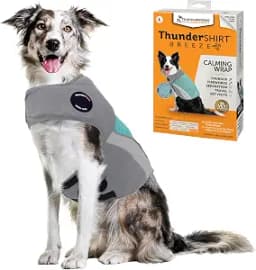
ThunderShirt Breeze for Dogs Calming Anxiety Vest, Large, Aqua
Constant, gentle pressure has a genuine calming effect for many dogs, and this vet-recommended wrap is easy to introduce ahead of the actual night.
- ✓ Vet-recommended, patented gentle pressure design
- ✓ Easy to put on in under a minute
- ✓ Works for thunderstorms, vet visits, and separation too, not just fireworks
- ✕ Not every dog responds, and it needs to be sized correctly to work
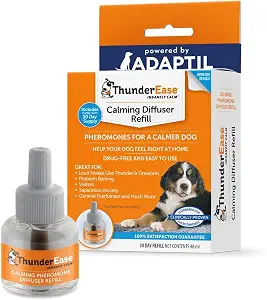
ThunderEase Dog Calming Pheromone Diffuser Refill, Powered by ADAPTIL
A pheromone diffuser works gradually, so running it from the morning of New Year's Eve gives it time to actually take effect before the first firework.
- ✓ Drug-free, mimics a natural calming pheromone
- ✓ Plug-in diffuser covers an average-sized room continuously
- ✓ 30-day refill, so it can run the whole week around NYE
- ✕ Takes a day or two of continuous use to reach full effect, not instant
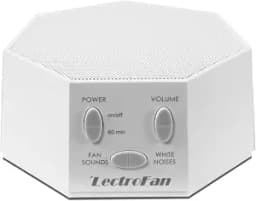
Adaptive Sound Technologies LectroFan Classic Sound Machine, White
A dedicated white noise machine masks the sharp, startling edges of individual firework pops better than a TV or fan alone.
- ✓ 20 non-looping fan and white-noise sounds, genuinely masks popping noise
- ✓ Precise volume control
- ✓ Solid-state, no moving parts to wear out
- ✕ Needs to be loud enough to compete with nearby fireworks, which may bother people too
Why This Night Is Uniquely Dangerous
Fireworks combine everything that makes a sound frightening to a dog: it's loud, it's unpredictable in timing, it seems to come from everywhere at once, and it goes on for hours instead of ending quickly like a single thunderclap. Unlike a scheduled storm, neighborhood fireworks can start without warning well before midnight and continue sporadically afterward, so there's rarely a clear "all clear" moment a dog can settle into. That combination of loudness and unpredictability is exactly why New Year's Eve produces more escape attempts and more emergency vet visits for injuries sustained while panicking than almost any other night of the year.
What Fear Actually Looks Like in Dogs
Noise fear doesn't always look like obvious panic, and milder signs are easy to miss until they escalate. Recognizing it early gives you time to intervene before a dog is in full flight mode.
- Pacing, panting, or drooling that doesn't match the temperature or activity level
- Hiding, pressing against a person, or trying to squeeze into small spaces like under a bed
- Whining, barking, or howling in response to each boom
- Destructive scratching at doors, windows, or crates while trying to escape the sound
- Trembling, drooling heavily, or refusing to settle even well after the noise stops
Building a Safe Room, Starting Days Before
A safe room works far better set up in advance than improvised at 11:45pm. Pick an interior room with no windows, or with windows you can fully cover — an interior bathroom, closet, or basement room is often ideal because it muffles sound better than a room with exterior walls. Introduce your dog to this space positively over the days leading up to New Year's Eve, with treats, a favorite bed, and calm associations, rather than the first time they're in there being the night itself, already in a panic. On the night, add familiar bedding, water, and something to chew or lick, and let your dog choose to retreat there rather than being shut in against their will if at all possible — a safe room that feels like a trap doesn't help.
Sound, Pressure, and Pheromones: What Actually Helps
For genuine noise phobia, the most effective approach usually layers a few different tools rather than relying on just one. A steady background sound — a fan, TV, or a dedicated white noise machine like the LectroFan Classic — helps mask the sharper, more startling edges of individual firework pops, which matters more than just making the room generally quieter. Gentle, constant pressure, the same principle behind swaddling an infant, has a real calming effect on many dogs; a fitted product like the ThunderShirt Breeze applies that pressure in a wearable form and is worth introducing a few times before the actual night so it's a familiar, comforting sensation rather than a novel one. Pheromone diffusers like ThunderEase, which mimics a dog-specific calming pheromone, work gradually over a day or two of continuous use, so plugging one in the morning of December 31st is much more effective than waiting until the first firework goes off.
- Start the pheromone diffuser the morning of (or a day or two before, if you know your dog struggles)
- Introduce an anxiety wrap or vest ahead of time so the night isn't its first use
- Run a white noise or fan sound continuously once fireworks are likely to start, not reactively after each boom
- Stay calm yourself — dogs read tension in your voice and body language, and a panicked owner reinforces the fear
When It's More Than Fear
For dogs with severe, longstanding noise phobia, management tools alone sometimes aren't enough, and that's worth taking seriously rather than just pushing through every year. If your dog has a history of injuring themselves trying to escape, won't eat or settle at all during fireworks, or the fear seems to be getting worse year over year rather than better, it's worth a conversation with your vet well before New Year's Eve about situational anxiety medication. These are prescribed for specific known triggers, not as an everyday medication, and they work best started early enough to be in effect before the first firework — which means calling in December, not on the 31st.
Other New Year's Eve Hazards
Fireworks are the headline risk, but a house full of a party doubles up on a few other hazards worth a quick mention. Spilled or unattended alcoholic drinks are a real toxicity risk if a dog laps one up, and the ethanol in alcohol affects dogs far more severely, pound for pound, than it does people. Confetti and balloons are both choking and intestinal obstruction risks if chewed or swallowed, especially popped balloon fragments, which dogs seem to find specifically interesting to chase and chew. And a loud, crowded party brings its own overstimulation on top of the fireworks, so even a dog who tolerates noise reasonably well may still do better in a quiet back room away from the gathering itself.
The Night-Of Checklist
Pull it all together into one plan rather than improvising in the moment:
- Walk your dog earlier in the day, before fireworks are likely to start, rather than risking an evening walk
- Set up the safe room with familiar bedding, water, and a chew or lick treat
- Have the pheromone diffuser running and the anxiety wrap on before the first fireworks go off
- Keep windows and doors secured, and double check ID tags and microchip info are current
- Keep alcohol, confetti, and balloons out of reach if you're hosting or attending a party with your dog present
Our pick
New Year's Eve is fundamentally a noise-management problem, and the dogs who come through it best are the ones whose owners started preparing days ahead, not at the first boom. Set up the safe room, start the pheromone diffuser and anxiety wrap early, and talk to your vet ahead of time if your dog's fear is severe.