
 Dogs
 Cats
 Birds
 Fish & Aquatics
 Reptiles
 Small Pets
 Article
 Horses
Halloween Barn Safety: Candles, Candy-Seekers, and the Pasture Risk No One Talks About
A practical Halloween checklist for horse owners — covering open-flame fire risk, fence safety, costuming, and the fall grass spike that catches owners off guard.
Published October 10, 2026 · Updated October 10, 2026
Halloween is one of the lower-stakes holidays for horse owners compared to, say, New Year's fireworks — but it isn't risk-free. Between jack-o'-lanterns near the hay stack, costumed trick-or-treaters wandering past turnout fences, and a seasonal flush of sugar-rich fall grass that can blindside even experienced owners, there's a short list of things worth five minutes of your attention before October 31st rolls around.
None of this requires a complete overhaul of your routine. It just means walking the barn once with safety in mind, the same way you'd walk a pasture fence line before a storm.
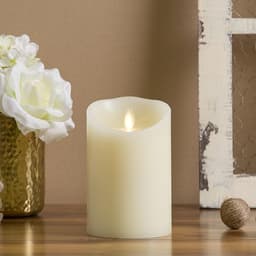
Luminara Flameless LED Battery Operated Ivory Pillar Candle, 3" x 4.5"
If you want jack-o'-lantern ambiance without an open flame anywhere near the barn, this battery-powered flameless candle gets you the look with zero fire risk.
- ✓ Realistic flickering flame with zero fire risk
- ✓ Battery powered, no cords needed
- ✓ Popular for barns, porches, and decor alike
- ✕ Requires AA batteries (sold separately)
- ✕ Not a true wax-melting candle scent
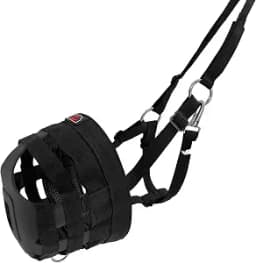
BARN & STABLE Horse Grazing Muzzle for Easy Breathe, Adjustable Straps, Precaution of Laminitis
Lets a laminitis-prone or metabolic horse keep grazing in turnout while meaningfully cutting intake of the sugar-rich fall grass flush.
- ✓ Adjustable straps and buckles for a secure fit
- ✓ Designed for laminitis precaution during grazing
- ✓ Breathable design for all-day turnout wear
- ✕ Sizing runs variable, check measurements carefully
- ✕ May need an adjustment period for some horses
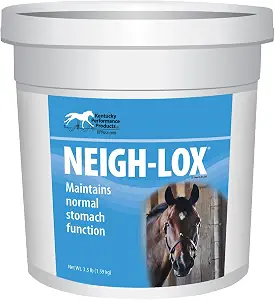
044033 Neigh-Lox Digestive Supplement for Horses, 3.5 lb
A well-established daily digestive support supplement that helps maintain a healthy stomach environment during feed or pasture transitions.
- ✓ Helps maintain normal stomach pH during feed/pasture transitions
- ✓ Patented formula aimed at reducing gastric ulcer risk
- ✓ Suitable for all classes of horses
- ✕ Premium price point for a 3.5 lb container
- ✕ Best used proactively, not as emergency treatment
Open Flames Have No Place Near Hay and Bedding
The single biggest Halloween risk in any barn isn't a spooked horse — it's fire. A barn stocked with dry hay, straw bedding, and wood shavings is essentially fuel, and a lit jack-o'-lantern or a string of carved-pumpkin candles sitting on a tack trunk or windowsill is a genuine ignition source. Barn fires move fast, horses can't be evacuated quickly from a burning structure, and most start exactly this way: an open flame left unattended near combustible material.
The simplest fix is also the safest one: skip real candles in or near the barn entirely. If you want a lit jack-o'-lantern for the porch or the house, that's a different story — just keep anything with an open flame well clear of the aisle, the hay loft, and the bedding storage area, and never leave it burning unattended.
Check Your Fence Lines Before Trick-or-Treaters Arrive
If your property is anywhere near a neighborhood with trick-or-treat traffic, costumed kids (and sometimes costumed dogs) wandering along your fence line in the early evening can genuinely startle horses who aren't used to unusual shapes moving past in the dusk. A spooked horse in a turnout paddock can run through or into a fence that's already a little loose, so this is a good excuse to walk your fence line and gate latches that afternoon — the same check you'd do before a thunderstorm, just prompted by a different kind of weather.
- Walk the perimeter and check for loose boards, sagging wire, or weak t-post caps.
- Make sure every gate latches securely and isn't just resting closed.
- If your pasture borders a sidewalk or road with foot traffic, consider bringing horses in a little earlier than usual on the 31st.
Costuming Horses: Keep It Light, Keep It Supervised
Dressing a horse up for a few Halloween photos is a fun barn tradition, and there's nothing wrong with it as long as you follow a couple of basic rules. Anything you put on a horse — ears, a cape, a sign — should never restrict vision, breathing, or movement in any way. Introduce the costume gradually rather than throwing it on cold, and watch for rubbing, girthing issues, or irritation anywhere elastic or straps touch the coat. If your horse seems unsettled by it at any point, that's your answer: take it off and stick to a mane bow or a ribbon instead.
The Fall Grass Spike Most Owners Don't Expect
Here's the one that catches people off guard: late October often brings a second flush of cool-season grass growth, especially after the first good rain following summer dormancy. That new growth can carry a real spike in non-structural carbohydrates (NSC) — essentially sugar — which raises the risk of colic and laminitis, particularly in horses with metabolic conditions, a laminitis history, or who are simply easy keepers. It has nothing to do with Halloween directly, but the timing lines up every year, and it's worth a specific mention because so few owners are watching for it this time of year.
If you manage a horse prone to laminitis or metabolic issues, this is a good week to dial back turnout on lush pasture, especially during the sugar-heavy afternoon hours, or to use a grazing muzzle during turnout until the grass settles down.
Products That Help
Luminara Flameless LED Pillar Candle — If you want jack-o'-lantern ambiance without an open flame anywhere near the barn, a battery-powered flameless candle with a realistic flicker gets you the look with zero fire risk. Good for the tack room windowsill or the barn entrance for trick-or-treat night.
BARN & STABLE Horse Grazing Muzzle — Purpose-built for exactly the fall-grass scenario above: it lets a laminitis-prone or metabolic horse keep grazing and socializing in turnout while meaningfully cutting down intake of the sugar-rich new growth.
Kentucky Performance Products Neigh-Lox Digestive Supplement — A well-established daily digestive support supplement that helps maintain a healthy stomach environment during periods of feed or pasture change, like the fall grass transition.
A Few More Minutes Well Spent
Halloween evening also tends to bring more unfamiliar foot and car traffic down rural roads and driveways than a typical night — costumed trick-or-treaters moving between houses, cars pulling in and out more often than usual. If your barn sits close to a road, it's worth keeping an eye on how your horses react to the extra activity, especially right around dusk when visibility is lowest and headlights sweep across pastures more noticeably. A horse that's normally unbothered by passing cars can still react differently to a cluster of flashlight beams and costumed figures moving on foot.
It's also a reasonable night to double-check that a fire extinguisher is accessible near the barn entrance and that everyone around the property knows where it is — not because Halloween decorating raises that risk dramatically on its own, but because a few extra candles, lanterns, and visitors around the property make it a sensible night to confirm the basics are in place rather than assume they are.
Our pick
Halloween isn't a high-risk holiday for horses, but it rewards a little foresight: keep open flames out of the barn entirely, walk your fence line before dusk, and don't let a cute costume turn into a safety problem. The one thing actually worth circling on your calendar is the fall grass flush — it's easy to miss because it has nothing to do with the holiday itself, but it's the detail most likely to land a laminitis-prone horse in trouble this month.