
 Dogs
 Cats
 Birds
 Fish & Aquatics
 Reptiles
 Horses
 Article
 Small Pets
How to Get Rid of Ferret Smell
Most of what people call "ferret smell" is coming from the cage, not the ferret - and over-bathing to fix it usually makes things worse, not better.
Published October 16, 2026
Ferrets do have a naturally musky scent from oil-producing glands in their skin, but the strong odor most owners are actually smelling builds up in bedding, litter, and cage surfaces over the course of a week - not primarily from the ferret itself. That distinction matters because it points to where the fix actually needs to happen, and it also explains why bathing a ferret more often tends to backfire: stripping the natural skin oil with frequent baths signals the glands to produce more oil to compensate, which can leave a ferret smelling stronger, not better, within a day or two.
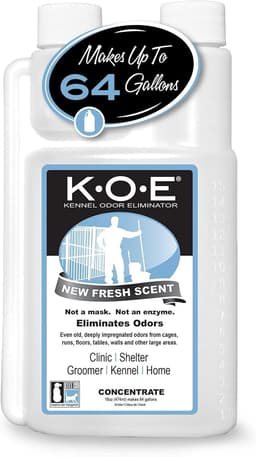
Odorcide KOE Fresh Scent Concentrate, 16 oz
A non-enzymatic formula built for kennels and cages that neutralizes odor at the source rather than masking it - this is what actually moves the needle since most of the smell is coming from the cage, not the ferret.
- ✓ Non-enzymatic formula used by the veterinary industry, built specifically for cages, runs, and kennel-type odor rather than general household smells
- ✓ Penetrates to the source of the odor instead of just treating the surface, so it holds up against a cage that gets used daily
- ✓ Concentrate goes a long way - 16oz makes a lot of diluted cleaning solution
- ✕ A cleaning concentrate, not a one-time fix - needs to be part of a regular cleaning routine to keep working
- ✕ Not a substitute for the bedding and litter changes that stop odor from building up in the first place
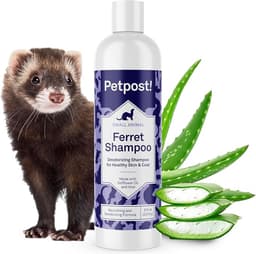
Petpost Ferret Shampoo, Deodorizing & Moisturizing Formula, 8 oz
Formulated specifically for a ferret's skin rather than stripping oils as aggressively as a general small-animal shampoo - use it every few weeks, not every few days.
- ✓ Formulated to neutralize odor rather than just mask it with fragrance, specifically for ferret skin chemistry
- ✓ Includes safflower oil and gentle cleansers so it does not strip skin oils as aggressively as a generic small-animal shampoo
- ✓ Free from harsh chemicals or bleach
- ✕ Still should not be used more than once every few weeks - overuse of any shampoo can dry out a ferret's skin
- ✕ 8oz bottle is a fairly small size given how infrequently it should actually be used
Attack the Cage, Not Just the Ferret
Spot-cleaning litter daily and doing a full bedding change two to three times a week handles most of the problem before it has a chance to build up. For the odor that has already soaked into fabric, a cage or kennel-specific odor eliminator that neutralizes the smell at the source - rather than a scented spray that just covers it up - makes the biggest visible difference of anything on this list.
Bathe Less Than You'd Think
Once every three to four weeks is the general guideline for most ferrets - more frequent than that tends to dry out the skin and trigger more oil production, not less. When you do bathe, a shampoo formulated specifically for a ferret's skin (rather than a general small-animal or dog shampoo) is worth the difference, since it is balanced not to strip oils as aggressively.
A Few Other Things That Help
- Wash fabric hammocks, tunnels, and bedding on a regular rotation - fabric holds odor longer than hard plastic or wire.
- Keep the litter box away from carpet where possible; carpet absorbs and holds odor in a way that is much harder to fully clean out.
- If the smell is sudden and much stronger than usual rather than a steady background level, it is worth a vet visit - that kind of change can point to a skin or glandular issue rather than normal ferret musk.