
 Dogs
 Cats
 Birds
 Fish & Aquatics
 Small Pets
 Horses
 Article
 Reptiles
Halloween Safety for Reptiles: Keeping Snakes, Geckos, and Bearded Dragons Calm Through the Chaos
Jack-o'-lanterns, doorbell traffic, and a parade of costumed strangers can rattle even the calmest cold-blooded pet, so here is how to protect the terrarium through it.
Published October 10, 2026
Halloween is a night built for warm-blooded animals that can hide under the bed, bark at the door, or simply tune out the chaos. Reptiles cannot do any of that.
Ectothermic pets rely entirely on their environment to regulate body temperature, and a single chaotic evening of flickering candlelight, swinging doors, and unfamiliar noise can quietly undo weeks of carefully dialed-in husbandry. None of it has to happen if you plan the terrarium's night the way you plan the kids' route through the neighborhood.
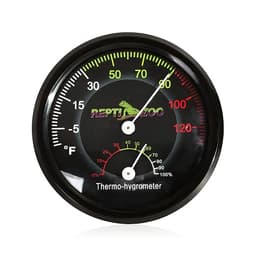
REPTI ZOO Reptile Terrarium Thermometer Hygrometer Dual Gauges
Lets you spot-check both sides of the enclosure in seconds if a candle or an open door throws off the gradient.
- ✓ Reads both temperature and humidity at a glance
- ✓ Over 1,500 reviews from reptile keepers
- ✓ Inexpensive enough to add a second gauge
- ✕ Analog-style dial, not a digital alarm

Reptile Background Film, Static Cling, Glue-Free, Desert
A visual barrier against flickering candlelight and moving costumes outside the glass, with zero impact on temperature control.
- ✓ Blocks stray light and movement through the glass
- ✓ No-glue static cling installation
- ✓ Reusable and easy to trim to fit
- ✕ Cosmetic only, does not affect temperature
The Jack-o'-Lantern Problem
A lit jack-o'-lantern or a cluster of decorative candles throws real, measurable heat, and if one ends up on the same shelf or table as a terrarium, it can skew the tank's carefully balanced temperature gradient without anyone noticing until the thermometer tells a different story the next morning. Reptiles do not pace around looking for a cooler spot the way a dog paces toward an open window; most species simply sit in whatever microclimate they are given, which means an hour of unintentional extra heat on the warm side of the enclosure can push a basking area well past what is healthy. The safest rule is also the simplest: keep any open flame, battery candle with a heat-producing bulb, or decorative lighting that gets warm to the touch at least a few feet from any glass or screen enclosure, and never set one directly on top of a mesh lid.
Door Traffic and the Temperature Swings No One Notices
Every time the front door opens for trick-or-treaters, a wave of outside air moves through the house, and in late October that air is often 20 to 40 degrees cooler than the terrarium's ambient temperature. One open door is nothing. Forty open doors over a three-hour trick-or-treating window, especially in a drafty entryway or a home where the thermostat is turned down to save on heating, can add up to a slow, repeated chilling of any enclosure nearby. Reptiles are ectothermic, meaning they cannot generate or hold onto their own body heat the way mammals do, so a sudden temperature drop is not just uncomfortable, it can suppress digestion, immune function, and basic activity for days afterward. If the terrarium lives anywhere near a front hallway, foyer, or drafty window, this is the one night of the year worth moving it to an interior room, or at minimum closing that room's door for the evening.
Noise, Costumes, and a Reptile's Idea of Stress
Dogs and cats habituate. A dog that hears the doorbell fifty times in one night eventually stops barking at it, more or less, because dogs are wired to learn that a repeated non-threatening event is not actually a threat. Reptiles do not do this in the same way. A snake, gecko, or bearded dragon does not get used to a chaotic night so much as it tolerates it, and tolerating repeated vibration from a doorbell, unfamiliar voices, and strange shapes moving past the glass in costume is a real, if quiet, source of stress. The signs are easy to miss: a bearded dragon that stops basking and retreats to a hide, a ball python that goes off its normal basking schedule, a gecko that stays glass-surfing or pressed into a corner longer than usual. None of this requires a vet visit, but it is worth dimming the room lights near the enclosure, keeping the loudest doorbell chimes off if possible, and giving the animal a hide it can fully disappear into for the evening.
A Five-Minute Pre-Halloween Checklist
- Move candles, jack-o'-lanterns, and any warm decorative lighting at least three feet from every enclosure.
- Close the door to the room the terrarium is in, or relocate the enclosure away from the front entry for the evening.
- Double-check that the heat source and thermostat are both working before the chaos starts, not after.
- Add or refresh a hide on the cool side of the tank so the animal has a true retreat option.
- Skip handling for the night. A reptile stressed by noise and traffic needs to be left alone, not a "calm down" cuddle session.
Leave the Costumes Off
Costumed pet photos are a Halloween staple online, but a reptile is a poor candidate for anything worn on the body. Unlike a dog's fur coat, a reptile's skin is how it manages both temperature and moisture, and anything wrapped, taped, or draped over it, even briefly, can trap heat unevenly, restrict normal movement, or stress an animal that already reads touch and restraint as a potential threat. Save the costume for the family dog, and let photos of the reptile be the "no costume needed" kind.
If You Are Out Handing Out Candy or Trick-or-Treating With Kids
Many reptile owners are not home for the full evening, either out trick-or-treating with their own kids or away at a gathering. A few hours away is nothing for a stable terrarium with a working thermostat, but it is worth doing a last visual check before you leave: thermometer reading normal, water dish full, hide in place, enclosure secured. If a teenager or neighbor is handing out candy at your house while you are out, ask them to leave the terrarium alone entirely, since an unfamiliar face peering in, tapping the glass, or opening the lid out of curiosity adds exactly the kind of novel stress this guide is trying to avoid.
Products That Help
None of this requires new equipment, but a couple of inexpensive tools make it much easier to catch problems before they become real ones.
- REPTI ZOO Dual Thermometer and Hygrometer lets you check both sides of the enclosure in seconds, so if a candle or an open door skews the gradient, you see it on the dial within minutes instead of guessing the next morning.
- Static-cling reptile background film gives the enclosure a solid visual barrier against flickering light and moving shapes outside the glass, taking the edge off a chaotic night without changing anything about the habitat itself.
Our pick
The single biggest risk on Halloween is not any one decoration, it is the combination of a flickering heat source and a door that will not stop opening, both quietly pulling the terrarium's temperature in opposite directions. Keep candles away from the glass, close off drafts, and let your reptile sit out the chaos in a dim, undisturbed room, and the holiday will be a non-event for everyone except the trick-or-treaters.