
 Dogs
 Cats
 Birds
 Fish & Aquatics
 Reptiles
 Horses
 Article
 Small Pets
Is Your Christmas Décor Safe for Your Small Pet? A Hazard-by-Hazard Holiday Checklist
From poisonous poinsettias to dangling tinsel, the most festive month of the year is also one of the riskiest for rabbits, guinea pigs, hamsters, and gerbils — here's what to check before you decorate.
Published October 10, 2026
Christmas brings plants, string lights, wrapping paper, and rich food into every room of the house at once — which also means it brings more small-pet hazards into one month than almost any other holiday. None of it requires giving up your decorations. It just means walking through your home the way your rabbit, guinea pig, hamster, or gerbil would, and checking each category against what's actually safe.
Here's that checklist, hazard by hazard.
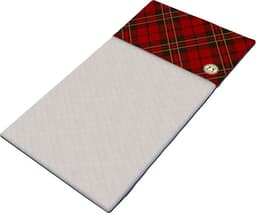
GuineaDad Original Reusable Cage Liner – Plaid Red Fleece Bedding with Burrowing Pocket – Extra Absorbent Core & Waterproof Bottom – Fits Midwest Guinea Pig Cage
The built-in burrowing pocket gives a guinea pig a warm, private spot to retreat to when winter drafts and holiday foot traffic both pick up at once.
- ✓ Built-in burrowing pocket gives a cozy retreat spot
- ✓ Multi-layer fleece wicks moisture away from fur
- ✓ Washable and reusable all season
- ✕ Pricier than a basic fleece liner
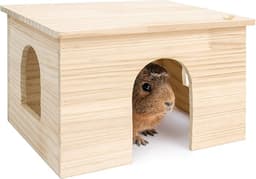
Niteangel Wood House with Window, Chinchilla and Guinea Pigs Hut Hideout
A solid wood hut placed well away from the tree keeps your pet entertained with a safe chew surface instead of tinsel or ribbon.
- ✓ Solid, unfinished natural wood
- ✓ Window opening for ventilation and viewing
- ✓ Flat roof doubles as a platform
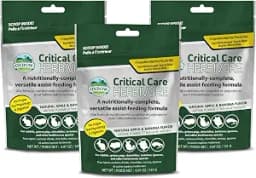
Oxbow Critical Care Herbivore Small Pet Formula, Apple Banana, 141g, 3 Pack
Worth keeping in the cabinet through December specifically because rich holiday treats are this season's most common GI stasis trigger.
- ✓ Vet-recommended recovery nutrition built around timothy hay
- ✓ Mixes easily for syringe or hand feeding
- ✓ Apple-banana flavor encourages picky or stressed eaters
- ✕ Meant for supportive recovery feeding under vet guidance, not a daily treat
Plants: The Hazard That's Everywhere This Month
This one deserves to be said plainly: poinsettias, holly, mistletoe, and lilies are all unsafe for rabbits and guinea pigs, and they're best kept away from every small pet in this category, including hamsters and gerbils. These plants show up on mantels, as centerpieces, in gift arrangements, and even taped to doorways — easy to overlook precisely because they're so common this time of year. Before you bring a single stem into the house, check it against this list, and ask the same question of any arrangement a guest brings as a gift.
Decorations: Tinsel, Ribbon, and String Lights
Tinsel, ribbon, and wrapping paper are all genuine chewing and ingestion hazards for small pets who free-roam anywhere near the tree or gift piles — a strand of tinsel looks a lot like hay to a curious guinea pig, and ingested ribbon can cause a serious blockage. String lights carry the same chew risk, with the added danger of an electrical cord. Keep your small pet's free-roam time and enclosure well away from the tree, and do a floor check for stray tinsel or ribbon after wrapping presents, the same way you'd check for dropped candy on Halloween.
Temperature: Watch Where the Cage Sits
Winter means drafts, and a cage or hutch placed near a drafty window, an exterior door that opens constantly for guests, or an unheated sunroom can expose your pet to a real temperature swing over the course of the day. Walk the room at pet height — literally crouch down near the enclosure — and feel for cold air. If you can feel a draft, your pet can feel it too, and the enclosure should move.
The Single Most Important Fact on This List: GI Stasis
If you only take one thing from this guide, make it this. Rich holiday treats — anything high in fat, sugar, or starch, including table scraps, Christmas cookies, or "just a bite" of stuffing from a guest — can trigger GI stasis in rabbits and guinea pigs, a condition where the digestive system slows or stops. It is a genuine emergency, not a wait-and-see situation, and it can turn serious within hours.
Watch for: not eating or ignoring hay, smaller or absent droppings, lethargy, and a hunched, tense posture. Any of these means a same-day vet visit, holiday season or not — many exotic vets post special holiday hours for exactly this reason, so it's worth checking your vet's schedule before December gets busy.
New Toys, New Boxes: The Week After Christmas
The hazards do not end on December 25th. Gift boxes, packing paper, ribbon curls, and the plastic wrap and twist ties from new toys tend to pile up in exactly the rooms where pets free-roam, and the days after Christmas are often when owners are most distracted and least likely to do a thorough floor check. Keep up the same sweep you did on Christmas Eve for a few extra days while decorations and gift debris are still being cleared out.
Hosting Guests Who Do Not Know Your Pet's Rules
Out-of-town family and friends who visit for the holidays often do not know your pet's specific dos and don'ts, especially around food. The same guest-briefing rule from Thanksgiving goes double at Christmas, when there is both more food circulating the house and more decor within reach. A short, friendly heads-up when guests arrive — no table scraps, no picking up the pet without asking, and keep gift wrap and ribbon away from the floor near the enclosure — heads off most of the risk before it becomes a problem.
A Safer Way to Include Your Pet in the Holiday
If you want your small pet to feel part of the festivities, skip the human food and decorations entirely and offer an enrichment activity instead — a cardboard box stuffed with fresh hay, a few safe chew sticks, or a new hideout to explore gives them a present without any of the risk.
Products That Help
A little preparation goes a long way during a month when your pet's usual routine, room temperature, and houseguest traffic are all in flux.
- A cozy, enclosed liner or burrow spot. Somewhere warm and private to retreat to helps offset both the cold drafts and the extra holiday foot traffic through the house.
- A solid wood hideout house. Keeping your pet's safe space well away from the tree and gift piles means fewer opportunities to reach tinsel, ribbon, or toxic plants in the first place.
- A recovery feeding formula for rabbits and guinea pigs, kept on hand in case a vet recommends supportive feeding during a GI stasis scare — better to have it in the cabinet than to be searching for it on December 25th.
Our pick
Most Christmas hazards for small pets come down to the same root cause: something festive ends up somewhere your pet can reach it. Keep poinsettias, holly, mistletoe, and lilies out of the house entirely, keep tinsel and ribbon away from free-roam areas, and treat any sudden drop in appetite or droppings as the same-day emergency it is. Do that, and the rest of the decorating is just decorating.