
 Dogs
 Cats
 Birds
 Fish & Aquatics
 Reptiles
 Horses
 Article
 Small Pets
Fireworks and Small Pets Don't Mix: A New Year's Eve Survival Plan for Rabbits, Guinea Pigs & Hamsters
The sudden bangs and flashes of New Year's Eve fireworks are one of the most stressful nights of the year for prey-animal pets — here's a before, during, and after plan to get your small pet through it safely.
Published October 10, 2026 · Updated October 10, 2026
For a rabbit, guinea pig, hamster, or gerbil, there may be no night of the year worse than New Year's Eve. Fireworks combine everything a prey animal is wired to fear — sudden, loud, unpredictable bangs paired with flashes of light — into a single, hours-long event with no obvious end. The good news is that a little preparation genuinely changes how your pet experiences it. Here's a simple before, during, and after plan.

Adaptive Sound Technologies LectroFan Micro 2 White Noise Machine, Black
Set this running in your pet's room before dark so a steady, familiar sound is already the baseline when the first firework goes off outside.
- ✓ Compact and easy to place right next to the enclosure
- ✓ Multiple non-looping sound options to mask bangs
- ✓ Rechargeable, not tied to a wall outlet
- ✕ Volume alone will not fully block very close fireworks
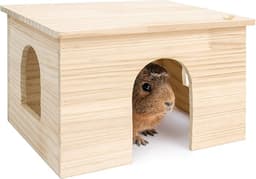
Niteangel Wood House with Window, Chinchilla and Guinea Pigs Hut Hideout
Gives a rabbit or guinea pig somewhere to get completely out of sight, which matters more on this one night than almost any other.
- ✓ Solid, unfinished natural wood
- ✓ Window opening for ventilation and viewing
- ✓ Flat roof doubles as a platform
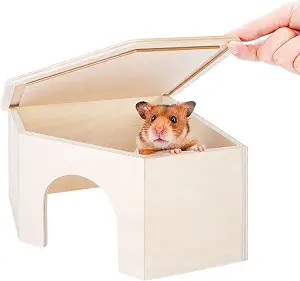
Niteangel Birch Chamber-Maze Hamster Hideout - Small Pets Woodland House Habitats Decor for Hamster Mice Gerbils Mouse
A properly sized hideout for hamsters and gerbils, who need a tighter, fully enclosed space to feel genuinely hidden during the noise.
- ✓ Correctly sized for hamsters, gerbils, and mice
- ✓ Semi-enclosed cave design feels secure without full darkness
- ✓ Handmade birch plywood, no nails or glue
- ✕ Too small for guinea pigs or rabbits
Before: Set Up the Safe Space Early
Don't wait until the first firework goes off to act — set up your pet's safe space well before dark, so they have time to settle into it before the noise starts.
- Move the enclosure to the quietest, most interior room in your home — ideally one without windows facing the direction fireworks are likely to come from.
- Add a fully enclosed hideout inside the enclosure, something your pet can get completely out of sight in, not just behind.
- Cover two or three sides of the cage with a thick blanket or towel to dampen sound and block the flash of light through windows.
- Turn on a fan, white-noise machine, or quiet music ahead of time, so the sound is already part of the room's baseline before the first bang.
During: Why Stress Alone Can Become an Emergency
Fireworks noise is one of the single most stressful events of the year for a prey-animal pet, and that stress isn't just emotional — it carries real physical risk. A panicked rabbit or guinea pig can injure itself thrashing or bolting inside a cage, and acute stress is a known trigger for GI stasis, a dangerous slowdown or stoppage of the digestive system. This is true even in pets who've never had a digestive problem before; the stress itself is the trigger.
During the worst of it, resist the urge to take your pet out and comfort-hold them, especially if you have guests over. A visibly stressed animal generally does better left alone in its covered, quiet hideout than it does being handled, however well-intentioned the comfort is meant to be. Check in quietly and briefly instead of opening the cage.
After: Watch for the Warning Signs
Once the fireworks stop, keep an eye on your pet for the next 24 hours rather than assuming the stress is over the moment the noise is. Watch specifically for the warning signs of GI stasis: not eating or ignoring hay, smaller or fewer droppings than usual, lethargy, and a hunched, tense posture. If you see any of these, treat it as a same-day veterinary emergency — GI stasis can progress quickly, and post-fireworks stress is exactly the kind of trigger that can set it off even hours after the noise has stopped.
If There Are Guests: One More Thing to Watch
If you're hosting for New Year's Eve, confetti and balloons are a real ingestion and hazard risk if your pet is ever out of its enclosure during the party — confetti in particular is easy to miss on the floor and easy for a curious small pet to eat. Keep your pet's free-roam time, if any, well before or well after party cleanup, not during it.
Multi-Pet Households: Separate, Do Not Combine
If you have more than one small pet, resist the urge to move them into the same room or enclosure for comfort during fireworks unless they are already proper cagemates. A stressed animal can redirect that stress onto a cage-mate, and combining species or unfamiliar individuals under high-stress conditions raises the risk of a fight rather than lowering it. Keep each pet in its own familiar, covered space instead.
Fireworks Often Start Before Midnight
Many neighborhoods set off fireworks for several nights around the holiday, not only at the stroke of twelve. Begin your calm-room setup as soon as the first bangs start outside, whether that is two nights early or right at midnight itself.
A Calmer Start to the New Year
Hold off on handling your pet first thing on New Years Day even if they already seem back to normal. Give them a few quiet hours to fully settle before resuming your usual routine of handling, cage cleaning, or rearranging the enclosure. Normal eating and normal droppings are the clearest sign the stress of the night before has genuinely passed.
Products That Help
The goal on New Year's Eve is simple: muffle the noise, and give your pet somewhere to completely disappear.
- A white-noise machine. Running one in your pet's room from early evening on is one of the most effective ways to blunt the unpredictability of firework bangs.
- A fully enclosed hideout house. For rabbits and guinea pigs, somewhere to get completely out of sight matters more on this night than almost any other.
- A smaller, species-appropriate hideout for hamsters and gerbils, sized so they can tuck in and feel genuinely covered, not just partially hidden.
Our pick
New Year's Eve is one night, but the stress it causes a prey-animal pet doesn't necessarily end when midnight does. Set up a quiet, covered safe space before the fireworks start, leave your pet alone in it rather than handling them through the noise, and watch closely for the next day for any sign of GI stasis. A little preparation turns the loudest night of the year into one your pet barely notices.