
 Dogs
 Cats
 Birds
 Fish & Aquatics
 Small Pets
 Horses
 Article
 Reptiles
Why Is My Axolotl Not Eating?
An axolotl that suddenly stops eating is usually telling you something about the water, not being picky about food.
Published October 16, 2026
Axolotls are cold-water neotenic salamanders, and their appetite is a pretty reliable signal of how their tank is actually doing. Unlike a lot of pets, a healthy axolotl that just stops eating is far more often reporting a problem with its environment than being a fussy eater - the two most common causes by a wide margin are water quality (ammonia, nitrite, or wrong temperature) and recent shedding or stress, not the food itself. Before you try a different brand of pellet, it is worth ruling those out first.
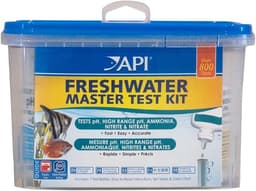
API Freshwater Master Test Kit, 800-Test Freshwater Aquarium Water Kit
Ammonia and nitrite spikes are the single most common cause of a healthy-looking axolotl suddenly going off food - this is the fastest way to rule water quality in or out before you change anything else.
- ✓ Tests pH, ammonia, nitrite, and nitrate
- ✓ Hundreds of tests per kit, lasts years
- ✓ Industry-standard, widely trusted by hobbyists
- ✕ Liquid reagent tests take a few minutes to run
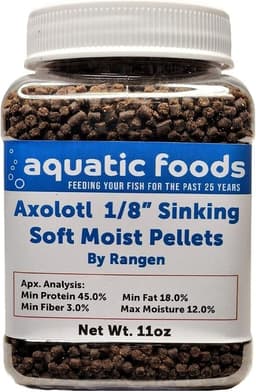
Axolotl Food, 1/8" Soft Moist Sinking Pellets, Rangen's Salmon Meal Pellets for Small Axolotl
Sinks and stays soft rather than floating or dissolving before it reaches the bottom, which matches how axolotls actually feed.
- ✓ Sinks and stays soft, which matches how axolotls actually feed - they do not come to the surface for food
- ✓ 1/8" size is right for juveniles and smaller axolotls, so it is not a choking or disinterest risk
- ✓ Salmon meal base is a readily-accepted protein source for finicky eaters
- ✕ Small jar (11oz) for a food you will likely feed several times a week
- ✕ Wrong size for a full-grown adult axolotl - size up to the 1/4" version once they are bigger
Check the Water Before You Check the Food
Axolotls are extremely sensitive to ammonia and nitrite, and even a small spike - from overfeeding, a missed water change, or a new tank that has not fully cycled - is enough to suppress appetite well before you see any other visible symptoms. Water that is too warm (axolotls do best in the low-to-mid 60s°F) has the same effect: their metabolism and appetite both drop as a stress response. A water test kit is the fastest way to rule this in or out, and it is worth testing before changing anything else.
Rule Out Shedding and Recent Stress
Axolotls shed their skin periodically, and many go off food for a day or two around a shed - this is normal and resolves on its own. A recent move, a tank mate, loud vibration near the tank, or even a recent water change can also cause a short appetite dip from stress. If water parameters test clean and the axolotl otherwise looks and acts normal, give it 24-48 hours before worrying further.
Make the Food Itself Easy to Say Yes To
If water and stress are ruled out, the food itself is worth a look. Axolotls feed by suction on the tank bottom, so food needs to actually sink and stay put rather than drift - floating pellets or food that dissolves too fast before it reaches the bottom often gets ignored. Pellet size matters too: a pellet sized for an adult can be genuinely too large for a juvenile to bother with.